TABLE OF CONTENTS

For audio professionals, selecting the right studio headphones is vital. It’s about enhancing mixes and recordings. We’ve tested over 800 pairs, offering top choices for different studio needs and budgets. Whether you need closed-back for live recordings or open-back for mixing, we’ve got you covered.
Our list spans from the Sony MDR-7506 to the Audeze MM-100, showcasing the best monitoring headphones at various prices. We focused on neutral sound, frequency response, and comfort. This ensures you find the perfect professional headphones for your studio.
Explore our detailed guide to find the 7 best mixing headphones for audio pros. We feature both dynamic driver and planar magnetic designs. Whether you’re an experienced engineer or a new producer, quality recording headphones are key. They help create mixes that sound great on any system. Let’s look at the top options and find the perfect studio headphones for your needs and budget.
Why Mix on Headphones?
In the realm of audio production, mixing on headphones has gained popularity among both professionals and hobbyists. This method is especially appealing when studio monitors are out of reach due to budget or space constraints. Mixing on headphones offers a practical and effective way to create polished mixes in various settings.
Advantages of Mixing with Headphones
Headphones bring distinct advantages over traditional speakers. They deliver a level of detail and clarity that can be hard to achieve with speakers, especially in untreated rooms. This clarity allows you to pick up on subtle mix elements, such as quiet background vocals and intricate reverb tails. It aids in making more informed mixing decisions, leading to a more refined final product.
Another key benefit is the elimination of room acoustics as a variable. Unlike speakers, which can be influenced by the room’s acoustics, headphones provide a consistent listening environment. This is particularly beneficial for those working in makeshift studios or less-than-ideal acoustic spaces.
Headphones also offer greater flexibility and mobility. With a good pair, you can mix anywhere, whether it’s in your home studio, on the go, or even in a quiet corner of a coffee shop. This flexibility allows for mixing whenever inspiration strikes, without being tied to a specific location or setup.
Overcoming Room Acoustics Limitations
Dealing with the impact of room acoustics on mixes is a significant challenge for audio professionals and enthusiasts. Even with high-quality studio monitors, the room itself can greatly influence the sound. Mixing on headphones can be a game-changer in this regard.
Headphones eliminate the room as a factor, providing a more direct and uncolored listening experience. They allow you to hear the mix as it truly is, without the influence of room modes, reflections, or standing waves. This is crucial when working in less-than-ideal acoustic environments, such as bedroom studios or makeshift setups.
Furthermore, mixing on headphones can be a cost-effective solution for those on a tight budget. A high-quality pair of studio headphones can often be purchased for a fraction of the cost of a full speaker setup. This makes them an attractive option for both beginners and professionals, allowing for professional-level results without financial strain.
Planar Magnetic vs Dynamic Driver Headphones
When selecting the ideal mixing headphones, understanding the differences between planar magnetic and dynamic driver types is crucial. Planar magnetic headphones have seen a surge in popularity for their superior sound quality. In contrast, dynamic driver headphones are favored for their lightweight design and affordability.
Planar magnetic headphones are celebrated for their exceptional transient response and detailed sound without excessive brightness. They often deliver better bass extension, even in open-back designs, compared to dynamic driver headphones. Historically, planar magnetic headphones could reach frequencies down to 20 Hz, while dynamic drivers typically rolled off below 50 Hz. Modern high-end planar magnetic headphones, such as the Audeze LCD-4 or HiFiMAN Susvara, still offer exceptional bass response and impact.
One of the standout features of planar magnetic headphones is their improved image structure and clarity, even at entry-level price points. They deliver a tighter, more controlled, and distortion-free bass compared to dynamic drivers. Planar magnetic headphones excel in instrument separation and distinction, offering a unique ‘plucked’ quality to sound tones. However, some listeners prefer dynamic driver headphones for their more ‘natural’ sound, as planar magnetic headphones may potentially sacrifice realism due to exaggerated image separation and detail representation.
Despite the advantages of planar magnetic headphones, they come with some drawbacks. In the earlier days, planar magnetic headphones typically weighed over 500g due to their double-sided magnetic arrays design. Although modern planar magnetic headphones have evolved to be lighter through innovations like single-sided magnetic arrays, they still tend to be heavier than dynamic driver headphones. Additionally, planar magnetic headphones are more expensive to manufacture, which is reflected in their higher price points.
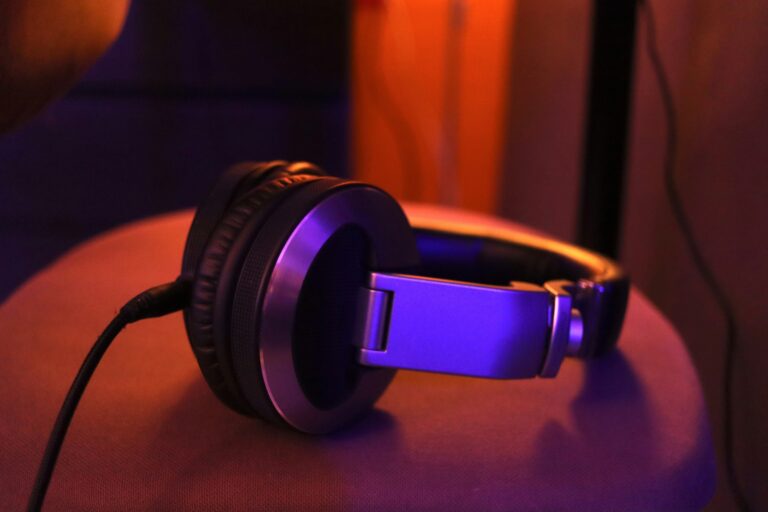
On the other hand, dynamic driver headphones are known for their traditional design, utilizing a cone or dome-shaped diaphragm connected to a moving voice coil. They have come a long way in terms of sound quality, with many models now capable of producing frequencies down to 20 Hz, even in open-back designs. Dynamic driver headphones often reproduce a better stereo image, whereas planar magnetic drivers may have slight errors in phase response, leading to small shifts in audio reproduction.
While dynamic drivers exhibit higher levels of total harmonic distortion compared to planar magnetic drivers, they offer a wider range of sound profiles to suit individual preferences. The manufacture of dynamic drivers is easier, resulting in a more diverse selection of headphones at various price points. Dynamic driver headphones are also much lighter and more comfortable for extended wear, making them a popular choice among audio professionals.
Ultimately, the choice between planar magnetic and dynamic driver headphones comes down to personal preference. Factors such as image clarity, punch, timbre, and overall sound signature play a significant role in determining which type of headphone suits an individual’s mixing needs. It’s essential to consider the unique characteristics of each technology and how they align with one’s desired sound profile and comfort requirements.
Open-Back vs Closed-Back Headphones for Mixing
Choosing the right headphones for mixing is a common debate among audio professionals. They often weigh the pros and cons of open-back and closed-back designs. Most headphones in this article are open-back, favored for their superior performance in critical listening. Open-back headphones provide a flat frequency response and minimal resonances, making mixes sound better on various playback systems.
Benefits of Open-Back Designs
Open-back headphones have several advantages for mixing and mastering:
- They offer an expansive soundstage, enhancing the listening experience with a natural and spacious feel.
- They are more breathable, reducing ear fatigue during long listening sessions.
- Their transparent audio reproduction enables more accurate critical listening.
- They deliver consistent bass response, regardless of wear position.
Traditionally, open-back headphones were seen as lacking in deep bass. However, advancements in planar magnetic technology and dynamic driver designs have changed this. Modern open-back headphones now provide accurate and extended bass, suitable for various mixing tasks.
When to Use Closed-Back Headphones
Closed-back headphones have their own advantages, making them suitable in specific situations:
- They are ideal for recording and monitoring due to their ability to minimize sound bleed, enhancing instrument separation.
- In noisy environments, closed-back headphones can reduce background noise by up to 10dB, making them great for live performances.
- They are preferred for casual listening due to their ability to seal the ear, reducing sound leakage. This makes them suitable for commuting, gym, or work environments.
Yet, closed-back headphones can accentuate lower frequencies and cause resonances. This can impact the accuracy of the listening experience. They are not recommended for mixing unless specifically designed to mitigate these issues, like the Slate VSX headphones with their innovative software-based correction.
Audeze MM-100: Best Overall Mixing Headphones
The Audeze MM-100 is a top choice for mixing headphones, known for its outstanding sound quality and comfort. It’s priced at $399, making it an affordable option without sacrificing performance. As Audeze’s entry-level open-back planar magnetic headphones, the MM-100 rivals more expensive models in its class.
Exceptional Sound Quality
The MM-100 boasts a frequency response range of 5Hz to 50kHz, delivering detailed sound across the spectrum. It offers a balanced low-end response, thanks to its linear sub-bass extension. Although the sound might seem thinner due to its stock tuning, it still provides dynamic contrast that some users find appealing.
The bass response is flat from midrange to sub-bass, a hallmark of Audeze’s open-back designs. However, the midrange tuning might feel thin, and the upper midrange can sound shouty. The treble response has a mid-treble emphasis and lower treble suckouts, which might disorient some listeners.
Comfortable Fit and Premium Build
The MM-100 is significantly lighter than its predecessor, the MM-500, making it more comfortable for long mixing sessions. Despite its lighter design, some users might find the ergonomics less than ideal.
The MM-100 is built with premium materials and attention to detail, reflecting its high-quality construction. Made in the USA, it’s a rare find in this price range. The packaging and presentation further enhance its value and quality perception.
Although the MM-100 might seem pricey compared to other mixing headphones, its sound quality, comfort, and build justify the cost. With an impedance of 18 ohms and a sensitivity of 100 dB/1mW, it’s easy to drive and compatible with various audio devices.
Avantone Planar the II: A Strong Contender
In the competitive landscape of mid-range audiophile headphones, the Avantone Planar the II emerges as a compelling choice. Priced under $500, these headphones combine modern industrial design, comfort, and exceptional sound quality. This makes them appealing to both audio professionals and enthusiasts.
The Avantone Planar the II comes in sleek Black and eye-catching Red models. The Red model’s distinctive aesthetic is sure to draw attention. The headphones also feature a well-engineered suspension system. This system ensures a comfortable fit during extended listening sessions.
Sound quality is a highlight of the Avantone Planar the II. It delivers a reference-like tuning with a flat EQ and impressive extension across both high and low frequencies. These headphones excel in reproducing the nuances of older jazz recordings. They offer a detailed and immersive listening experience.
With modern tracks like Coldplay’s “Adventure of a Lifetime,” the Planar the II provides a balanced sound profile. It features impactful bass and crystal-clear vocals. The Avantone Planar the II also shines in its ability to convey the subtleties and dynamics of classical piano performances.
The headphones create a transparent soundstage that allows listeners to fully appreciate the music’s intricacies. Additionally, the Planar the II is easy to drive and responds well to EQ adjustments. This gives users the flexibility to fine-tune the sound to their preferences.
When compared to the highly regarded HIFIMAN Sundara headphones, the Avantone Planar the II holds its own. It offers slightly better bass and subbass extension. While the Sundara may have a slight edge in overall transparency, the Planar the II adds a touch more treble. This brings a pleasant sparkle to vocals.
Notably, the Planar the II requires 10-15% less power to achieve the same volume levels as the Sundara. This makes it a more efficient choice.
In conclusion, the Avantone Planar the II is a strong contender in the under $500 headphone market. It is distinguished by its striking design, exceptional comfort, and impressive technical performance. Whether you’re a professional audio engineer or a discerning music lover, these headphones deliver a captivating listening experience. They are sure to satisfy.
Hifiman Edition XS: Lightweight Planar Headphones
The Hifiman Edition XS stands out as a top choice for audio professionals. It offers high-quality sound in a lightweight design, priced at $499. It falls between the Sundara and Ananda models in Hifiman’s range. Despite basic packaging, the Edition XS excels in performance and comfort.
Hifiman’s Stealth Magnets technology is featured in the Edition XS, enhancing sound quality. This technology reduces resonance, leading to cleaner and more accurate audio. The Edition XS is tuned for detail retrieval, making it perfect for critical listening and mixing.
Impressive Sound in a Compact Design
The Edition XS delivers a fast, extended, and textured bass response. This results in a natural and detailed sound presentation. The midrange is forward, neutral, and slightly warm, ensuring a tonally accurate experience. Treble is well-extended, forward-sounding, and detailed, with a subtle boost to the upper frequencies.
Comfort is a key feature of the Edition XS design. It has a plushy headband for extended wear without discomfort. The included 1.45m cable is considered one of the best by Hifiman.
Although priced between €500 and €600, the Hifiman Edition XS offers great value. It competes with other notable models in its category.
- Meze 109Pro
- FiiO FT3
- OLLO Audio S5X
- DT900 ProX
- DT1990 Pro
- HD660S2
- Sundara
- Ananda
- HE6SE
- Arya
- ATH-R70X
- MDR-MV1
- NAN-6
- NDH-30
- Ether Flow
- SRH-1840
- HD650
Sennheiser HD 490 Pro: Best Dynamic Headphones for Mixing
The Sennheiser HD 490 Pro stands out as the top pick for audio professionals needing dynamic headphones for mixing. These open-back headphones offer unmatched sound quality and comfort, perfect for extended studio sessions. The HD 490 Pro costs €398 / $399. The Pro Plus version, with additional accessories, is priced at €459 / $479.
One of the HD 490 Pro’s key features is the availability of two interchangeable ear pads. Producer pads enhance bass but might sound thin. Mixing pads, on the other hand, offer a balanced bass response and better integration with midrange and treble. This flexibility allows users to customize the sound for their mixing needs.
The HD 490 Pro features a neutral sound profile, with an accurate midrange that ensures vocals and lead instruments sound clear. The treble response is balanced, avoiding harshness or piercing highs. Although they may not reproduce the deepest sub-bass frequencies, the overall clarity and spaciousness they offer is worth it.
Comfort is another area where the Sennheiser HD 490 Pro shines. Weighing just 260g and featuring a metal main headband, these headphones are built for long use. The ear cups swivel 180° and fit comfortably against the head. Although the ear cups could be larger, the HD 490 Pro still offers higher comfort compared to previous HD 5 and HD 6 series models.
The HD 490 Pro comes with a detachable audio cable and an extra cable in the box, along with a 1/4″ to 1/8″ adapter for wide compatibility. The Pro Plus version also includes a transport case and an extra headband pad for added convenience and durability.
With its exceptional sound quality, comfort, and versatility, the Sennheiser HD 490 Pro is the best choice for audio professionals. Whether you choose the standard or Pro Plus version, these headphones will be a crucial part of your studio setup.
Slate VSX: Most Innovative Mixing Headphones
The Slate VSX headphones are a game-changer in the world of mixing. They allow audio professionals to mimic various studio settings, offering a unique mixing experience. This means engineers can refine their mixes with unmatched precision, ensuring they sound great on any playback system.
Emulating Various Studio Environments
The Slate VSX’s standout feature is its ability to mimic a wide array of studio environments. The Essentials Edition comes with models of three rooms, one car, and three headphones. The Platinum Edition adds more rooms, cars, headphones, and even a boombox. This flexibility lets engineers test their mixes in different virtual spaces, mimicking real-world listening conditions.
The Slate VSX system also offers customization options to enhance the mixing experience:
- Additional rooms can be purchased separately online if not included in the Platinum Edition
- The VSX plug-in should be inserted as the last plug-in on the master bus for optimal performance
- HRTF selector customization is available to tailor the spatial audio experience to individual preferences
The VSX EQ allows for final touches in fine-tuning the audio output
With the Slate VSX headphones, engineers see a notable boost in mix accuracy. This system overcomes the constraints of physical room acoustics, allowing for mixes that sound great on any playback system. This innovation saves time and effort, reducing the number of rounds needed to check mixes in different settings.
The Slate VSX headphone mixing system costs $299 for the Essentials Edition and $499 for the Platinum Edition. The latter is currently 20% off for a limited time. Given its advanced features and potential to streamline the mixing process, the Slate VSX offers great value for audio professionals looking to improve their craft.
Best Mixing Headphones Under $400
For those looking for top-notch mixing headphones under $400, several options stand out. The Sennheiser HD 650 and HD 600 are favorites among audio pros for their neutral sound and clarity. They’re perfect for critical listening and mixing. The Beyerdynamic DT 770, DT 880, and DT 990 series also impress with their sound quality and comfort. They come in various impedance options to fit different needs and setups.
The AKG K702 is a hit among mixing engineers for its detailed low-end and wide soundstage. If you prefer closed-back designs, the AKG K550 offers rich bass and great isolation. The Sony MDR-7506 is a budget-friendly choice that’s been a studio favorite for years. It provides a balanced sound and is built to last.
When searching for the best mixing headphones under $400, focus on comfort, sound quality, and accuracy. It’s wise to try out different models to see which one fits your needs best. Using a dedicated headphone amplifier or a USB DAC/AMP combo can also boost performance, especially for high-impedance models like the Sennheiser HD 650. With the right headphones, you can achieve professional results and make better mixing decisions, even in challenging acoustic settings.
 Made with Bullet